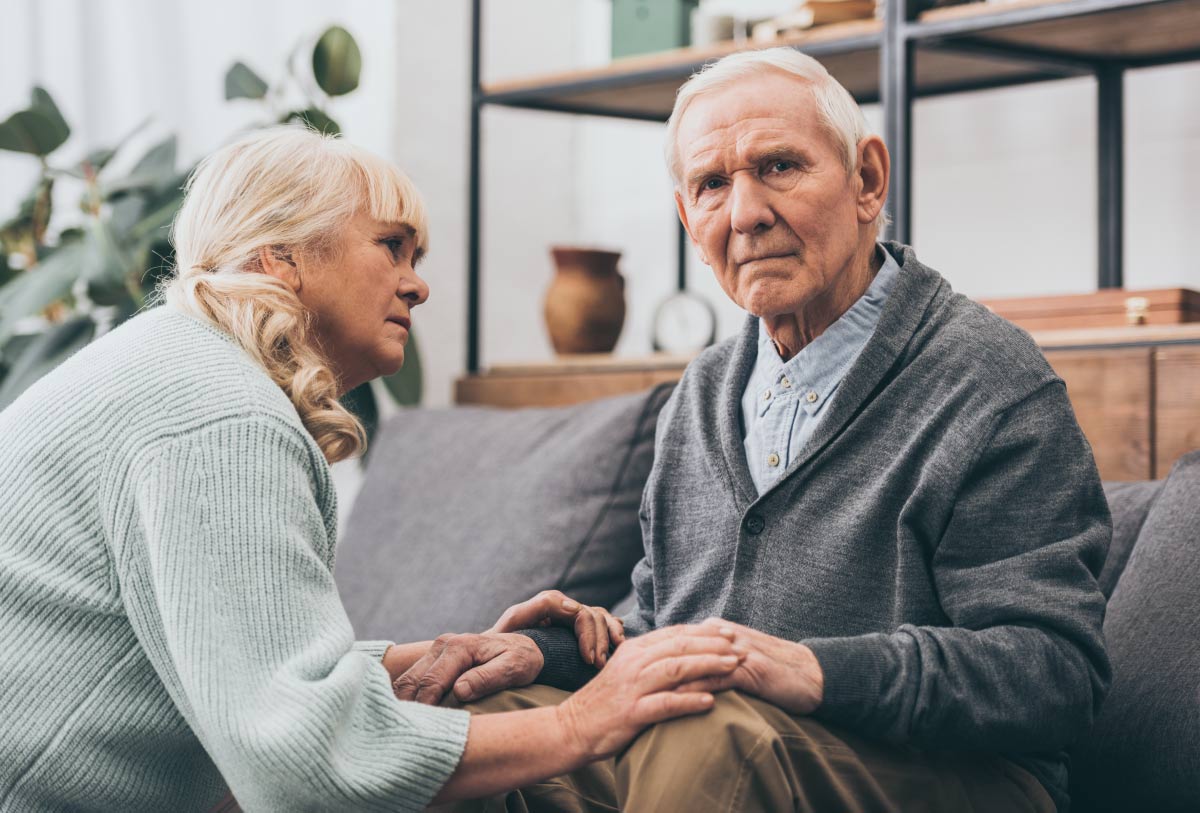
Understanding early signs, breaking down stigma, and planning ahead
The world would greatly benefit from a deeper understanding of what Alzheimer’s disease is truly like. While memory loss is one of the most widely recognized symptoms, Alzheimer’s affects much more than memory alone, impacting communication, behaviour, and daily life.
In a previous blog, we explored how to care for a loved one living with Alzheimer’s. This piece shifts the focus toward awareness, understanding, and early recognition. Alzheimer’s can develop earlier in life than many people expect, which is why its early signs are often overlooked or misunderstood. In this blog, we’ll highlight early warning signs, address common myths, and discuss why planning ahead can make a meaningful difference.
Alzheimer’s disease is a progressive condition that develops gradually over time. It is the most common form of dementia and is often associated with memory loss, but its effects go far beyond forgetting names or dates. As the disease progresses, it can affect thinking, communication, and a person’s ability to manage everyday activities, eventually affecting independence and quality of life.
It is important to understand the difference between normal forgetfulness and early cognitive changes related to Alzheimer’s. While normal aging may involve occasionally forgetting a name or misplacing an item, these moments are usually temporary and do not interfere with daily life. Typical aging does not significantly affect decision-making or the ability to form new memories. In the early stages, Alzheimer’s may show up as small but meaningful changes. A person might have trouble following conversations, making decisions, or completing familiar tasks. You may notice shifts in mood or personality.
Alzheimer’s often begins with subtle changes that are easy to overlook or explain away. These early signs can look different for everyone, but recognizing them early can help individuals and families seek support sooner. Some common early signs may include:
Alzheimer’s disease is often surrounded by misconceptions, many of which can make it harder for people to recognize the condition or seek help early.
Myth: Alzheimer’s disease is a normal part of aging.
Fact: While occasional forgetfulness can happen as we age, Alzheimer’s is not normal aging. It is a progressive brain disease that affects memory, thinking, and daily functioning in ways that go far beyond typical age-related changes.
Myth: Alzheimer’s only affects seniors.
Fact: Although the risk increases with age, Alzheimer’s can affect people much earlier than many expect. Some individuals develop symptoms in their 30s, 40s, or 50s, which is why early signs are often overlooked.
Myth: Alzheimer’s and dementia are the same thing.
Fact: Dementia is a broad term for symptoms affecting memory and thinking. Alzheimer’s is the most common form of dementia, and it is progressive with no current cure.
Myth: Alzheimer’s can be caused by flu shots, dental fillings, or artificial sweeteners.
Fact: These claims have been widely debunked by scientific research. There is no credible evidence linking vaccines, silver dental fillings, or aspartame to Alzheimer’s. In fact, some research suggests certain vaccines may help lower the risk.
Myth: Alzheimer’s is always hereditary.
Fact: Most cases are not inherited. Genetic or “familial” Alzheimer’s accounts for fewer than 5% of all cases, meaning the majority of people diagnosed have no direct family history of the disease.
Myth: There is a single test that can definitively diagnose Alzheimer’s in living patients.
Fact: Doctors can evaluate symptoms and use tests and brain imaging to support a diagnosis, but Alzheimer’s can only be confirmed with complete certainty after death through a microscopic examination of the brain.
To put it simply, normal brain fog like misplacing your house keys or forgetting an appointment does not make Alzheimer’s. Alzheimer’s gradually affects memory, thinking, and the ability to perform everyday tasks, often progressing silently and regardless of family history or lifestyle. Understanding these myths helps replace fear and confusion with clarity, compassion, and earlier action.
Facing Alzheimer’s can feel overwhelming, but starting the conversation early can make life a little easier for everyone involved. Worries, fear, and stigma can make it difficult for families to reach out for medical advice or support. It’s natural to feel uncertain or even in denial, but starting conversations and planning early can make life easier down the road.
Early conversations give the person with Alzheimer’s a chance to share their wishes and have a say in decisions that affect their life. Families can talk about healthcare preferences, living arrangements, financial and legal planning, and what kind of support feels right. Planning ahead is about respect, dignity, and helping your loved one stay as independent as possible for as long as they can.
Here are some practical steps for early intervention and planning:
By approaching these steps with care and openness, families can navigate Alzheimer’s with more confidence, helping both the individual and their loved ones feel supported every step of the way.
Awareness of Alzheimer’s benefits everyone, from caregivers and families to friends and the community as a whole. Understanding the disease, recognizing early signs, and having open conversations can make a real difference in how someone lives with Alzheimer’s and how those around them are supported. Paying attention to early changes, talking openly with loved ones, and replacing stigma with compassion are small steps that can improve quality of life for everyone involved.
For anyone seeking guidance or support, the Alzheimer Society of BC offers free help for anyone affected by dementia. They provide advice on care, daily life, planning, and community resources. Every call is confidential, and the helpline can be reached at 604-681-8651, or toll-free at 1-800-936-6033 for multiple languages.
Raising awareness today can lead to more understanding, better planning, and a brighter quality of life tomorrow, for the person living with Alzheimer’s and their loved ones.



Weighing the financial and emotional costs of aging at home versus moving into care.

Even though this season is often portrayed as cheerful and bright, it can feel different for many people.
Your donation helps provide essential home care, making it possible for local seniors to age with dignity and comfort.


